How chemistry tuition Helps Boost Confidence
Essential Strategies for Exam Success: Chemistry Tutoring That Works
Reaching success in chemistry exams demands a strategic approach. Grasping fundamental concepts is vital, as is pursuing active learning. Successful tutoring entails focusing on problem-solving and utilizing visual aids. Furthermore, time management plays an important role in academic performance. By incorporating collaborative learning and regular assessments, students can strengthen their understanding. These foundational strategies set the stage for improved outcomes, but the specifics of their application can prove decisive.
Understanding Basic Ideas
Grasping core ideas provides the groundwork for scholastic excellence. In the domain of chemistry, understanding fundamental principles like atomic structure, chemical bonding, and stoichiometry is crucial. These principles both establish the foundation for advanced theories and allow learners to link different topics throughout the discipline.
When students grasp these core concepts, they gain better ability to tackle advanced problems and applications. For example, a strong understanding of the periodic table facilitates simpler comprehension of reaction mechanisms and element attributes.
In addition, knowledge of essential concepts builds confidence in students, minimizing anxiety throughout exams. This confidence facilitates a more thorough engagement with the material, leading to improved retention and recall. In the end, focusing on the understanding of these core concepts sets the stage for success in exams and future academic pursuits within the field of chemistry.

Active Learning Techniques
Founded upon a solid understanding of fundamental concepts, students can strengthen their learning experience through active learning techniques. These methods encourage engagement and critical thinking, empowering students to take control of their education. Approaches such as group discussions, peer teaching, and interactive simulations foster collaboration and provide a deeper grasp of chemical principles. By investing themselves in the learning process, students can connect theoretical knowledge to practical applications, cementing their understanding.
In addition, incorporating tools such as flashcards and concept maps can help visualizing relationships between topics, further solidifying knowledge retention. Active participation in laboratory experiments also fosters a hands-on approach, making abstract concepts more tangible. Furthermore, questioning and reflecting on the material empowers students to identify gaps in their understanding. All in all, active learning techniques create a dynamic environment that promotes curiosity and self-directed learning, ultimately leading to improved outcomes in chemistry examinations.
Hone Critical Thinking Skills
Practicing problem-solving skills is crucial for students aiming to excel in chemistry examinations. These skills enable students to tackle complex questions systematically, breaking them down into simpler parts. Regularly engaging with practice problems aids in reinforce theoretical concepts and encourages critical thinking. Students derive value from a variety of problem types, including numerical calculations, conceptual questions, and application-based scenarios.
Additionally, completing problems in a timed setting simulates exam conditions, boosting efficiency and confidence. Group study sessions can improve learning, as discussing solutions with peers facilitates the exchange of perspectives and strategies.
This practice can be further supported through chemistry tutoring by offering targeted exercises that tackle individual weak points. Teachers can direct students through the process of solving problems, highlighting common mistakes and successful approaches. Finally, consistent practice in solving problems equips students with the tools necessary to tackle the wide-ranging challenges found in chemistry tests.
Using Visual Aids and Resources
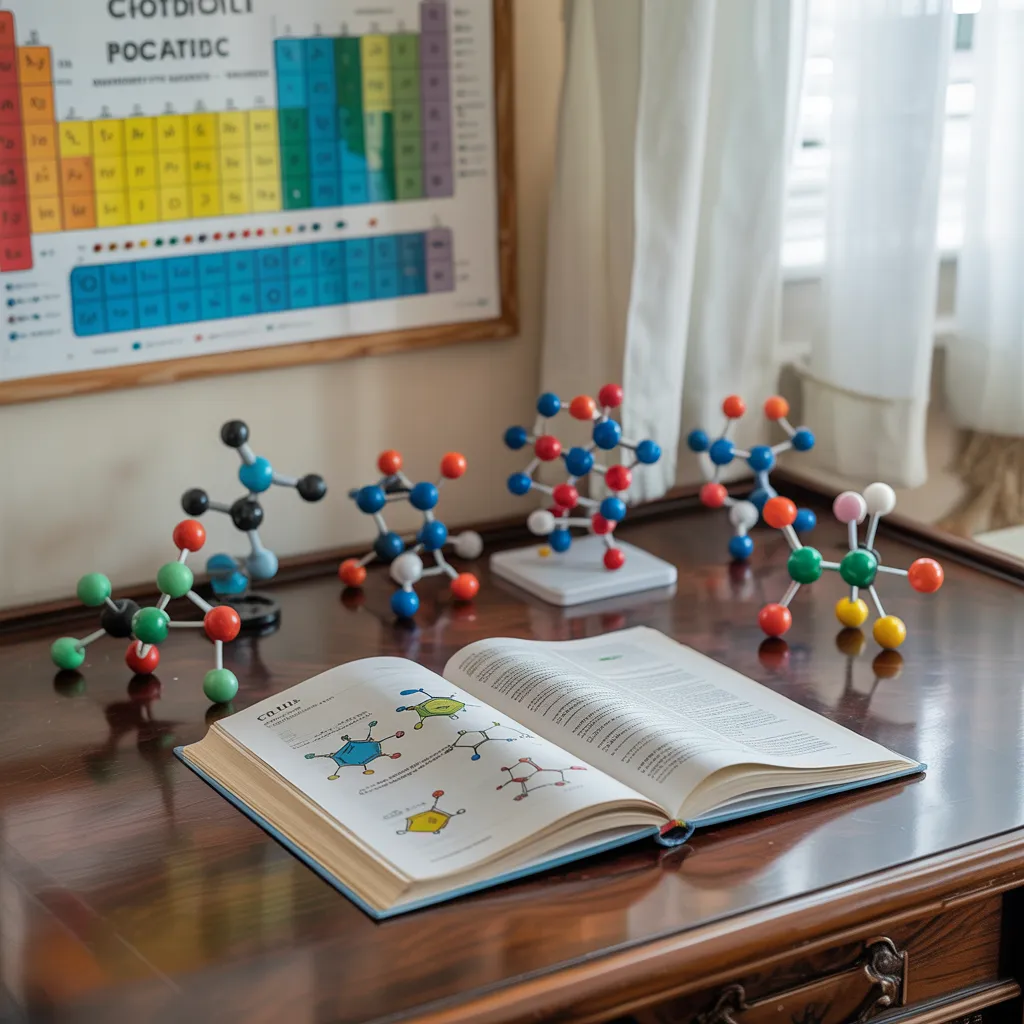
Students can significantly improve their comprehension while preparing for chemistry exams by making use of visual aids and resources. Diagrams, charts, and infographics provide a visual representation of complex concepts, making them more accessible. For instance, molecular structures can be better comprehended through 3D models, allowing students to visualize spatial relationships.
Moreover, video content and animations can depict chemical transformations and reactions, delivering engaging presentations that textbooks may lack. Flashcards serve as effective tools for learning critical concepts and equations, reinforcing learning through active recall.
Digital learning environments often offer interactive simulations that allow students to manipulate variables in experiments, deepening their knowledge of scientific principles. By integrating these visual aids into their study routines, students not only boost retention but also cultivate a more engaging learning experience. Finally, leveraging diverse resources cultivates a complete approach to mastering chemistry.
Time Management Strategies
Effective time management is essential for academic success, especially during exam preparation. Students should prioritize their study sessions and concentrate on the most important topics, ensuring they dedicate adequate time for each subject. Additionally, setting realistic goals can help preserve motivation and track progress throughout the study period.
Give Priority to Learning Sessions
Countless students observe that giving priority to study sessions greatly boosts their time management skills and overall academic performance. By recognizing the most vital topics or concepts that demand attention, students can assign their time more effectively. This approach allows them to work on their weaknesses, enhancing their understanding of complex material. Developing a consistent study schedule establishes a routine, making it simpler to balance academic responsibilities with personal commitments. Besides, prioritizing study sessions inspires students to exclude distractions, promoting a more productive learning environment. Implementing tools such as to-do lists or digital calendars can facilitate organizing study time, verifying that students stay on track. Ultimately, prioritizing study sessions is a critical strategy for achieving success in chemistry and view information about other subjects.
Establish Achievable Goals
Establishing realistic goals is a key component of effective time management for students. By setting attainable objectives, students can better allocate their study time and resources, providing a structured approach to their learning. Achievable objectives assist in breaking down challenging subjects like chemistry into manageable tasks, decreasing feelings of overwhelm. This strategic segmentation allows students to focus on one concept at a time, fostering deeper understanding and retention. Additionally, setting SMART (SMART) goals empowers students to track their progress and adapt their study plans as required. Eventually, realistic goal-setting promotes motivation and accountability, producing enhanced performance and confidence in exam situations. Students who integrate this strategy into their study routines are more apt to achieve their goals.
Collaborative Learning and Study Groups
Working together in study groups enriches the learning process by creating a dynamic environment where students can share knowledge and support each other's understanding of complex topics. In chemistry, where concepts can be challenging, these groups allow students to approach difficult material together. By talking through challenges and clarifying concepts to peers, students often solidify their own understanding while helping others.
In addition, study groups cultivate diverse perspectives, as each member may address a topic differently, producing a more thorough grasp of the subject matter. Regular meetings can help copyright accountability, driving students to keep up with their studies. Additionally, the social aspect of collaboration can ease stress, creating a supportive network that fosters persistence. Finally, collaborative learning and study groups not only strengthen comprehension but also build essential skills such as teamwork and communication, which are critical for success in both academic and professional settings.
Consistent Evaluation and Feedback
Routine testing and immediate responses constitute fundamental aspects of productive learning. Within chemistry tutoring sessions, these function as essential instruments for measuring learner comprehension and pinpointing improvement opportunities. Regular tests and mock examinations both strengthen concept retention and assist learners in developing assurance in their understanding.
Feedback, when provided promptly, allows students to identify mistakes and understand the underlying concepts, promoting deeper comprehension. Tutors can tailor their instruction based on assessment results, confirming that each student receives customized attention.
Moreover, regular assessments promote accountability and inspire students to engage consistently with the course material. By creating a routine of evaluation, students become more adept at self-assessment, equipping them for the challenges of actual exams. To summarize, incorporating regular assessments and constructive feedback into chemistry tutoring creates a dynamic learning environment that encourages academic success.
Questions & Answers
How Do I Find a Great Chemistry Tutor?
To locate a competent chemistry tutor, one should obtain recommendations, verify online reviews, assess qualifications, and interview possible candidates. A trial session can also help determine compatibility and teaching effectiveness for personal learning needs.
What Qualifications Should I Look for in a Tutor?
When looking for a chemistry tutor, one should prioritize qualifications like a relevant degree in the field of chemistry or education, prior teaching background, strong communication abilities, and a established track record of assisting students obtain academic success.
How Much Does Tutoring Typically Cost?
You can expect to pay between $30 to $100 per hour for tutoring, contingent upon the tutor's qualifications, experience, and location. Rates may vary, so comparing options can help locate the best fit for your budget and requirements.
Can Virtual Tutoring Match the Effectiveness of In-Person Sessions?
Remote tutoring can be as productive as physical classroom sessions, contingent upon the tutor's qualifications, the learner's preferences, and the assets implemented. Tailored guidance and digital learning aids often elevate the digital learning process significantly.
How Do I Keep Myself Motivated Throughout Tutoring Sessions?
To remain motivated during tutoring sessions, one should set well-defined goals, maintain a optimistic mindset, actively take part in discussions, and reward oneself for achieving milestones, creating an environment suitable for learning and personal growth.